Buy shopmrc.com ?
We are moving the project
shopmrc.com .
Are you interested in purchasing the domain
shopmrc.com ?
domain@kv-gmbh.de · 0541-91531010
Buy shopmrc.com ?
Could we become climate neutral by 2050 with the help of decarbonization, Carbon Capture and Storage (CCS), and Carbon Dioxide Removal (CDR)?
Achieving climate neutrality by 2050 is possible with a combination of decarbonization, Carbon Capture and Storage (CCS), and Carbon Dioxide Removal (CDR) technologies. Decarbonization involves reducing emissions at the source, while CCS captures carbon dioxide emissions from industrial processes and stores them underground. CDR technologies, such as afforestation and direct air capture, remove carbon dioxide from the atmosphere. By implementing these strategies in conjunction with each other, we can work towards achieving climate neutrality by 2050. However, it will require significant global cooperation, investment, and policy support to reach this goal. **
Is carbon the same as carbon fiber?
No, carbon and carbon fiber are not the same. Carbon is a chemical element with the symbol C and atomic number 6, while carbon fiber is a material made of thin fibers composed mostly of carbon atoms. Carbon fiber is a lightweight and strong material commonly used in aerospace, automotive, and sporting goods industries, while carbon in its elemental form has various uses in different industries. **


Similar search terms for Carbon-neutral
Top-Angebote
Products related to Carbon-neutral:
-
Storied Home Neutral Reactive Glaze Stoneware PitcherThis beautiful stoneware pitcher has both a vintage and timeless feel to it. Its cream pattern makes it both stand out from normal decor, and fit in seamlessly with other neutral kitchen items.34,87 $*Shipping: 0,00 $Secure redirect to the provider
-
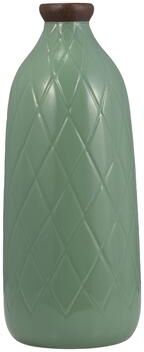
Sagebrook Home Neutral Ceramic VaseEnhance the ambiance of your sanctuary with the subtle charm of Sagebrook Home's Ceramic Vase. Carefully crafted to add a touch of sophistication to any room, this vase exudes elegance with its delicate details and versatile beauty.40,59 $*Shipping: 0,00 $Secure redirect to the provider
-
Sagebrook Home Neutral Ceramic VaseEnhance the ambiance of your sanctuary with the subtle charm of Sagebrook Home's Ceramic Vase. Carefully crafted to add a touch of sophistication to any room, this vase exudes elegance with its delicate details and versatile beauty.37,99 $*Shipping: 0,00 $Secure redirect to the provider



-
What are non-aromatic carbon-carbon bonds?
Non-aromatic carbon-carbon bonds are simply carbon-carbon bonds that do not participate in aromaticity. Aromaticity refers to a special type of bonding in organic molecules that results in increased stability and unique reactivity. Non-aromatic carbon-carbon bonds can be found in a wide range of organic compounds and can exhibit different types of reactivity and properties depending on their specific chemical environment. These bonds can be found in aliphatic hydrocarbons, such as alkanes and alkenes, as well as in many other organic molecules. **
-
How can one produce carbon dioxide at home?
One can produce carbon dioxide at home by combining baking soda and vinegar in a container. When the two substances react, they produce carbon dioxide gas as a byproduct. Another way to produce carbon dioxide at home is through the process of fermentation, such as when making homemade bread or brewing beer. In these processes, yeast consumes sugar and produces carbon dioxide as a waste product. **
-
Do you have carbon monoxide detectors at home?
As an AI, I do not have a physical home, so I do not have carbon monoxide detectors. However, I highly recommend that everyone have carbon monoxide detectors in their homes to protect against the dangers of carbon monoxide poisoning. It is important to regularly test and maintain these detectors to ensure they are functioning properly. **
-
Is carbon and carbon fiber the same thing?
No, carbon and carbon fiber are not the same thing. Carbon is a chemical element with the symbol C and atomic number 6, while carbon fiber is a material made of thin strands of carbon woven together. Carbon fiber is a composite material that is known for its high strength-to-weight ratio and is commonly used in aerospace, automotive, and sporting goods industries. **

What is the difference between carbon monoxide and carbon dioxide?
Carbon monoxide (CO) is a colorless, odorless gas that is produced by incomplete combustion of carbon-containing fuels, while carbon dioxide (CO2) is a colorless gas that is naturally present in the Earth's atmosphere and is produced by the combustion of fossil fuels, as well as by natural processes like respiration and volcanic eruptions. The main difference between the two is their chemical composition - carbon monoxide contains one carbon atom and one oxygen atom, while carbon dioxide contains one carbon atom and two oxygen atoms. Additionally, carbon monoxide is highly toxic to humans, while carbon dioxide is not toxic at normal levels but can contribute to climate change when present in high concentrations. **
How much activated carbon is needed for the Eheim Carbon?
The amount of activated carbon needed for the Eheim Carbon filter will depend on the size of the filter and the specific instructions provided by the manufacturer. It is recommended to follow the manufacturer's guidelines for the correct amount of activated carbon to use in the filter. Typically, a small amount of activated carbon is sufficient to effectively filter out impurities and maintain water quality in the aquarium. **
Top-Angebote
Products related to Carbon-neutral:
-
Storied Home Neutral Reactive Glaze Stoneware PitcherThis beautiful stoneware pitcher has both a vintage and timeless feel to it. Its cream pattern makes it both stand out from normal decor, and fit in seamlessly with other neutral kitchen items.34,87 $*Shipping: 0,00 $Secure redirect to the provider
-
Could we become climate neutral by 2050 with the help of decarbonization, Carbon Capture and Storage (CCS), and Carbon Dioxide Removal (CDR)?
Achieving climate neutrality by 2050 is possible with a combination of decarbonization, Carbon Capture and Storage (CCS), and Carbon Dioxide Removal (CDR) technologies. Decarbonization involves reducing emissions at the source, while CCS captures carbon dioxide emissions from industrial processes and stores them underground. CDR technologies, such as afforestation and direct air capture, remove carbon dioxide from the atmosphere. By implementing these strategies in conjunction with each other, we can work towards achieving climate neutrality by 2050. However, it will require significant global cooperation, investment, and policy support to reach this goal. **
-
Is carbon the same as carbon fiber?
No, carbon and carbon fiber are not the same. Carbon is a chemical element with the symbol C and atomic number 6, while carbon fiber is a material made of thin fibers composed mostly of carbon atoms. Carbon fiber is a lightweight and strong material commonly used in aerospace, automotive, and sporting goods industries, while carbon in its elemental form has various uses in different industries. **
-
What are non-aromatic carbon-carbon bonds?
Non-aromatic carbon-carbon bonds are simply carbon-carbon bonds that do not participate in aromaticity. Aromaticity refers to a special type of bonding in organic molecules that results in increased stability and unique reactivity. Non-aromatic carbon-carbon bonds can be found in a wide range of organic compounds and can exhibit different types of reactivity and properties depending on their specific chemical environment. These bonds can be found in aliphatic hydrocarbons, such as alkanes and alkenes, as well as in many other organic molecules. **
-
How can one produce carbon dioxide at home?
One can produce carbon dioxide at home by combining baking soda and vinegar in a container. When the two substances react, they produce carbon dioxide gas as a byproduct. Another way to produce carbon dioxide at home is through the process of fermentation, such as when making homemade bread or brewing beer. In these processes, yeast consumes sugar and produces carbon dioxide as a waste product. **
Similar search terms for Carbon-neutral
-
Sagebrook Home Neutral Ceramic VaseEnhance the ambiance of your sanctuary with the subtle charm of Sagebrook Home's Ceramic Vase. Carefully crafted to add a touch of sophistication to any room, this vase exudes elegance with its delicate details and versatile beauty.40,59 $*Shipping: 0,00 $Secure redirect to the provider
-
Sagebrook Home Neutral Ceramic VaseEnhance the ambiance of your sanctuary with the subtle charm of Sagebrook Home's Ceramic Vase. Carefully crafted to add a touch of sophistication to any room, this vase exudes elegance with its delicate details and versatile beauty.37,99 $*Shipping: 0,00 $Secure redirect to the provider
-
Do you have carbon monoxide detectors at home?
As an AI, I do not have a physical home, so I do not have carbon monoxide detectors. However, I highly recommend that everyone have carbon monoxide detectors in their homes to protect against the dangers of carbon monoxide poisoning. It is important to regularly test and maintain these detectors to ensure they are functioning properly. **
-
Is carbon and carbon fiber the same thing?
No, carbon and carbon fiber are not the same thing. Carbon is a chemical element with the symbol C and atomic number 6, while carbon fiber is a material made of thin strands of carbon woven together. Carbon fiber is a composite material that is known for its high strength-to-weight ratio and is commonly used in aerospace, automotive, and sporting goods industries. **
-
What is the difference between carbon monoxide and carbon dioxide?
Carbon monoxide (CO) is a colorless, odorless gas that is produced by incomplete combustion of carbon-containing fuels, while carbon dioxide (CO2) is a colorless gas that is naturally present in the Earth's atmosphere and is produced by the combustion of fossil fuels, as well as by natural processes like respiration and volcanic eruptions. The main difference between the two is their chemical composition - carbon monoxide contains one carbon atom and one oxygen atom, while carbon dioxide contains one carbon atom and two oxygen atoms. Additionally, carbon monoxide is highly toxic to humans, while carbon dioxide is not toxic at normal levels but can contribute to climate change when present in high concentrations. **
-
How much activated carbon is needed for the Eheim Carbon?
The amount of activated carbon needed for the Eheim Carbon filter will depend on the size of the filter and the specific instructions provided by the manufacturer. It is recommended to follow the manufacturer's guidelines for the correct amount of activated carbon to use in the filter. Typically, a small amount of activated carbon is sufficient to effectively filter out impurities and maintain water quality in the aquarium. **
* All prices are inclusive of VAT and, if applicable, plus shipping costs. The offer information is based on the details provided by the respective shop and is updated through automated processes. Real-time updates do not occur, so deviations can occur in individual cases. ** Note: Parts of this content were created by AI.