Buy shopmrc.com ?
We are moving the project
shopmrc.com .
Are you interested in purchasing the domain
shopmrc.com ?
domain@kv-gmbh.de · 0541-91531010
Buy shopmrc.com ?
What is home economics in kindergarten?
Home economics in kindergarten is a subject that focuses on teaching young children basic life skills related to home management and personal care. This can include activities such as learning how to set the table, basic cooking skills, personal hygiene, and understanding the importance of cleanliness and organization. The goal is to introduce children to the concept of taking care of themselves and their surroundings, and to develop a foundation for independent living skills as they grow older. Home economics in kindergarten also helps children understand the value of teamwork and cooperation, as they often work together on various projects and activities. **
What are extreme value problems in the 12th grade?
Extreme value problems in the 12th grade typically involve finding the maximum or minimum value of a function within a given interval. These problems often require students to use calculus concepts such as derivatives and critical points to determine the extreme values of a function. Students may encounter extreme value problems in the context of real-world applications, such as optimizing the dimensions of a container to maximize its volume or minimizing the cost of production for a given product. Overall, extreme value problems in the 12th grade help students apply calculus concepts to solve practical problems and understand the significance of extreme values in various contexts. **

Similar search terms for Scholastic-Grade-Kindergarten-Value
Top-Angebote
Products related to Scholastic-Grade-Kindergarten-Value:
-
Scholastic Summer Reading Kindergarten Value PackHelp develop young readers vocabulary and grow reading achievement over the summer with this pack.This set includes:The Adventure Friends: Bright StarCould You Ever Smile with Axolotls!?Dragon Hill: Ember the Fire DragonThe Fish Who Cried...31,99 $*Shipping: 0,00 $Secure redirect to the provider
-
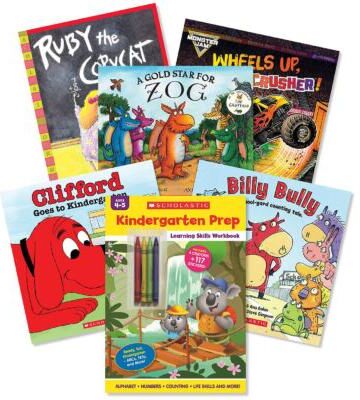
Scholastic Kindergarten Prep Back to School Value PackPrepare for Kindergarten with these cool school tales, along with a fun, skill-building 144-page workbook that covers essential learning skills.This set includes:Billy BullyClifford Goes to KindergartenA Gold Star for ZogKindergarten Prep Learning...37,79 $*Shipping: 0,00 $Secure redirect to the provider
-
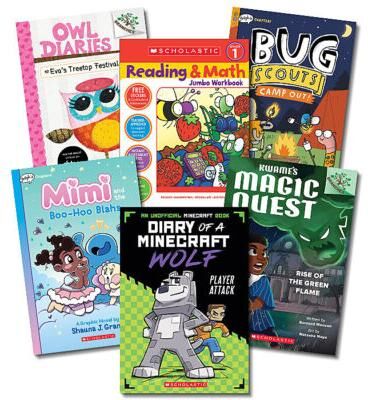
Scholastic 1st Grade Value PackHelp children retain valuable academic skills.These books for first graders will engage your child with action, adventure and other fun genres. Join Mimi, Eva the Owl and other characters on their adventures to encourage reading for your first...44,14 $*Shipping: 0,00 $Secure redirect to the provider
-
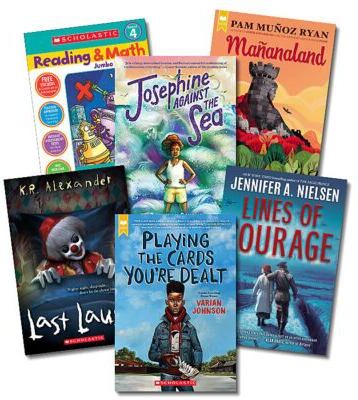
Scholastic 2nd Grade Value PackHelp children retain valuable academic skills.This second grade value pack combines stories of friendship, adventure and mystery to help your child keep reading.Bundled with these titles is a workbook which contains 300 skill-building pages that...43,29 $*Shipping: 0,00 $Secure redirect to the provider


-
What is the pH value in chemistry for 8th grade?
In chemistry for 8th grade, the pH value is a measure of how acidic or basic a solution is on a scale from 0 to 14. A pH value of 7 is considered neutral, while values below 7 are acidic and values above 7 are basic. Students learn how to calculate pH using the concentration of hydrogen ions in a solution and understand the significance of pH in various chemical reactions and biological processes. **
-
What is the pH value in chemistry in 9th grade?
In 9th grade chemistry, students learn about the concept of pH, which measures the acidity or basicity of a solution. The pH scale ranges from 0 to 14, with 7 being neutral. Solutions with a pH less than 7 are acidic, while solutions with a pH greater than 7 are basic. Students also learn how to calculate pH using the concentration of hydrogen ions in a solution. Understanding pH is important in various chemical reactions and biological processes. **
-
Why is "Kindergarten" called "kindergarten" in English?
The term "kindergarten" comes from the German language, where "kinder" means "children" and "garten" means "garden." The term was coined by Friedrich Fröbel, a German educator, who established the first kindergarten in 1837. Fröbel believed that young children should be nurtured and educated in a way that is similar to tending a garden, hence the name "kindergarten." The concept of kindergarten was later adopted in English-speaking countries, and the name "kindergarten" was retained. **
-
Does "Kindergarten" also mean "Kindergarten" in English?
Yes, "Kindergarten" is a loanword from German that has been adopted into English and has the same meaning in both languages. It refers to a preschool or educational program for young children, typically between the ages of 3 and 6. The word "Kindergarten" is widely used and understood in English-speaking countries. **
What value does the subject German have from 8th grade onwards?
From 8th grade onwards, the subject German holds significant value as it allows students to deepen their understanding of the language, culture, and history of German-speaking countries. It also provides opportunities for students to develop advanced language skills, including reading, writing, speaking, and listening. Additionally, studying German can open up future academic and career opportunities, as well as the chance to engage with a wider global community. Overall, the subject German from 8th grade onwards offers valuable cultural, linguistic, and practical benefits for students. **
Why is so much value placed on beauty nowadays?
Beauty has always been highly valued in society, as it is often associated with youth, health, and attractiveness. In today's world, the rise of social media and the constant exposure to images of idealized beauty standards has further amplified the importance placed on physical appearance. Additionally, the beauty industry is a multi-billion dollar business, with products and services promising to enhance one's appearance and boost self-confidence. This emphasis on beauty can lead to feelings of pressure and insecurity, as individuals strive to meet these unrealistic standards. **
Top-Angebote
Products related to Scholastic-Grade-Kindergarten-Value:
-
Scholastic Grade Kindergarten Value Pack (Books plus Workbook)Help children retain valuable academic skills over the school break.This set includes:Scholastic Early Learners: Giant Kindergarten WorkbookThe Adventure Friends #2: Lost DogLearn About: Animals: Just Discovered ReptilesPoppleton #7: Poppleton Has...36,99 $*Shipping: 0,00 $Secure redirect to the provider
-
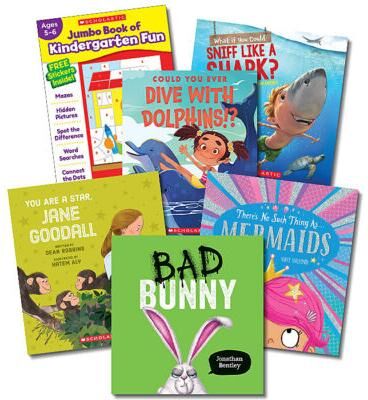
Scholastic Kindergarten Value PackHelp children retain valuable academic skills.Five fun titles paired together with a 320 page workbook that will help children develop hand-eye coordination, visual discrimination, fine-motor skills, and attention to detail.This set includes:Bad...41,59 $*Shipping: 0,00 $Secure redirect to the provider
-
Scholastic Summer Reading Kindergarten Value PackHelp develop young readers vocabulary and grow reading achievement over the summer with this pack.This set includes:The Adventure Friends: Bright StarCould You Ever Smile with Axolotls!?Dragon Hill: Ember the Fire DragonThe Fish Who Cried...31,99 $*Shipping: 0,00 $Secure redirect to the provider
-
Scholastic Kindergarten Prep Back to School Value PackPrepare for Kindergarten with these cool school tales, along with a fun, skill-building 144-page workbook that covers essential learning skills.This set includes:Billy BullyClifford Goes to KindergartenA Gold Star for ZogKindergarten Prep Learning...37,79 $*Shipping: 0,00 $Secure redirect to the provider
-
What is home economics in kindergarten?
Home economics in kindergarten is a subject that focuses on teaching young children basic life skills related to home management and personal care. This can include activities such as learning how to set the table, basic cooking skills, personal hygiene, and understanding the importance of cleanliness and organization. The goal is to introduce children to the concept of taking care of themselves and their surroundings, and to develop a foundation for independent living skills as they grow older. Home economics in kindergarten also helps children understand the value of teamwork and cooperation, as they often work together on various projects and activities. **
-
What are extreme value problems in the 12th grade?
Extreme value problems in the 12th grade typically involve finding the maximum or minimum value of a function within a given interval. These problems often require students to use calculus concepts such as derivatives and critical points to determine the extreme values of a function. Students may encounter extreme value problems in the context of real-world applications, such as optimizing the dimensions of a container to maximize its volume or minimizing the cost of production for a given product. Overall, extreme value problems in the 12th grade help students apply calculus concepts to solve practical problems and understand the significance of extreme values in various contexts. **
-
What is the pH value in chemistry for 8th grade?
In chemistry for 8th grade, the pH value is a measure of how acidic or basic a solution is on a scale from 0 to 14. A pH value of 7 is considered neutral, while values below 7 are acidic and values above 7 are basic. Students learn how to calculate pH using the concentration of hydrogen ions in a solution and understand the significance of pH in various chemical reactions and biological processes. **
-
What is the pH value in chemistry in 9th grade?
In 9th grade chemistry, students learn about the concept of pH, which measures the acidity or basicity of a solution. The pH scale ranges from 0 to 14, with 7 being neutral. Solutions with a pH less than 7 are acidic, while solutions with a pH greater than 7 are basic. Students also learn how to calculate pH using the concentration of hydrogen ions in a solution. Understanding pH is important in various chemical reactions and biological processes. **
Similar search terms for Scholastic-Grade-Kindergarten-Value
-
Scholastic 1st Grade Value PackHelp children retain valuable academic skills.These books for first graders will engage your child with action, adventure and other fun genres. Join Mimi, Eva the Owl and other characters on their adventures to encourage reading for your first...44,14 $*Shipping: 0,00 $Secure redirect to the provider
-
Scholastic 2nd Grade Value PackHelp children retain valuable academic skills.This second grade value pack combines stories of friendship, adventure and mystery to help your child keep reading.Bundled with these titles is a workbook which contains 300 skill-building pages that...43,29 $*Shipping: 0,00 $Secure redirect to the provider
-
Scholastic 4th Grade Value PackHelp children retain valuable academic skills.Encourage reading with this curated value pack, including fourth grade favorites your child will love.Bundled with these titles is a workbook which contains 300 skill-building pages that gives kids...50,09 $*Shipping: 0,00 $Secure redirect to the provider
-
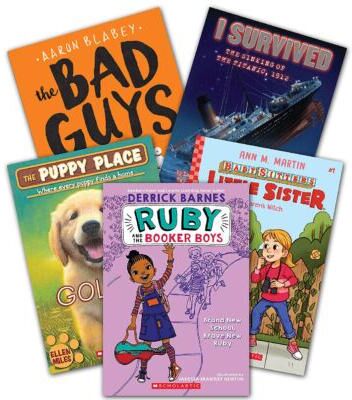
Scholastic 2nd Grade Bestsellers Value PackSome of our most popular series for 2nd graders are in this bundle. From the thrilling I Survived series, to the hilarious Bad Guys, this pack has a little something for every reader.This set includes:Baby-Sitters Little Sister #1: Karen's WitchThe...25,99 $*Shipping: 0,00 $Secure redirect to the provider
-
Why is "Kindergarten" called "kindergarten" in English?
The term "kindergarten" comes from the German language, where "kinder" means "children" and "garten" means "garden." The term was coined by Friedrich Fröbel, a German educator, who established the first kindergarten in 1837. Fröbel believed that young children should be nurtured and educated in a way that is similar to tending a garden, hence the name "kindergarten." The concept of kindergarten was later adopted in English-speaking countries, and the name "kindergarten" was retained. **
-
Does "Kindergarten" also mean "Kindergarten" in English?
Yes, "Kindergarten" is a loanword from German that has been adopted into English and has the same meaning in both languages. It refers to a preschool or educational program for young children, typically between the ages of 3 and 6. The word "Kindergarten" is widely used and understood in English-speaking countries. **
-
What value does the subject German have from 8th grade onwards?
From 8th grade onwards, the subject German holds significant value as it allows students to deepen their understanding of the language, culture, and history of German-speaking countries. It also provides opportunities for students to develop advanced language skills, including reading, writing, speaking, and listening. Additionally, studying German can open up future academic and career opportunities, as well as the chance to engage with a wider global community. Overall, the subject German from 8th grade onwards offers valuable cultural, linguistic, and practical benefits for students. **
-
Why is so much value placed on beauty nowadays?
Beauty has always been highly valued in society, as it is often associated with youth, health, and attractiveness. In today's world, the rise of social media and the constant exposure to images of idealized beauty standards has further amplified the importance placed on physical appearance. Additionally, the beauty industry is a multi-billion dollar business, with products and services promising to enhance one's appearance and boost self-confidence. This emphasis on beauty can lead to feelings of pressure and insecurity, as individuals strive to meet these unrealistic standards. **
* All prices are inclusive of VAT and, if applicable, plus shipping costs. The offer information is based on the details provided by the respective shop and is updated through automated processes. Real-time updates do not occur, so deviations can occur in individual cases. ** Note: Parts of this content were created by AI.